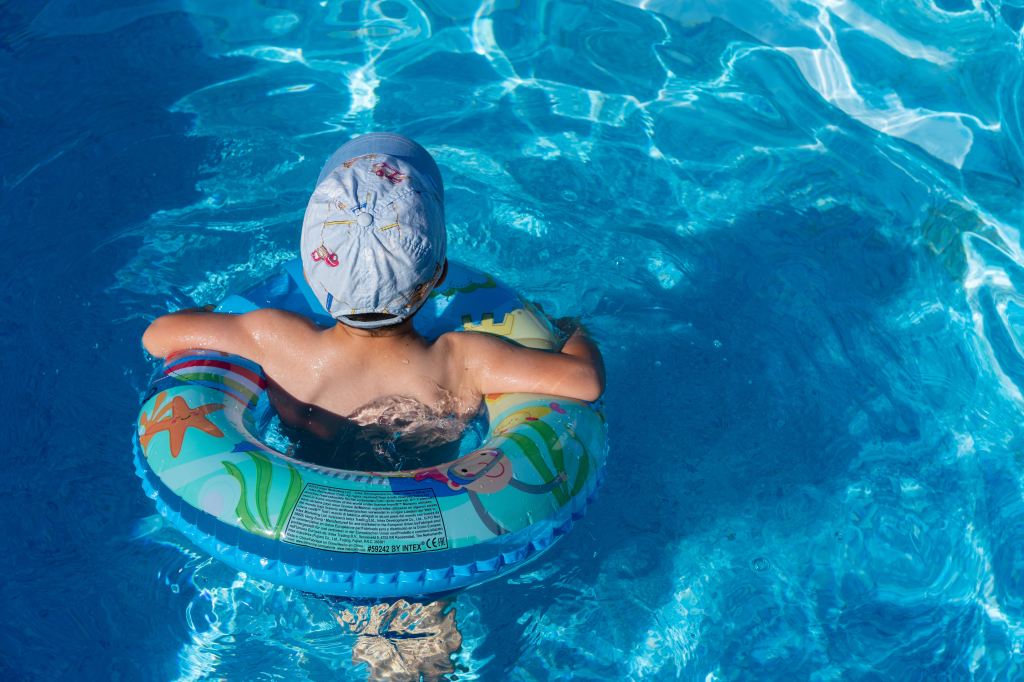
When you want to take your little one swimming, you’ll need to get a diaper for the pool to stop any mess from leaking out. A few options are available for parents who take their children to swimming pools. In this article, we talk about these options and other information you need to know about swimming diapers.
How do they work?
Firstly it’s important to understand how swimming diapers work. Many parents don’t realize that these diapers don’t actually stop urine from going into the pool; they’re simply in place to stop the solid fecal matter from escaping into the water. So when your little one does a wee in their swimming diaper, it will go directly into the pool water, which comes as a shock to some parents.
Checking swim diapers
When spending time in the pool with your baby, you need to keep checking the swim diaper for soiling; every 30-60 minutes is a good rule for checks. If you see any soiling, you should immediately take your baby out of the pool and change their swim diaper to a clean one. If you’re using disposable swimming diapers, make sure you have more than one with you, so you don’t need to cut your swim session short. The same goes for reusable swimming diapers; two is usually enough unless you have your own pool where you spend lots of time.
Disposable swimming diapers
The first option parents have when taking their child to the pool is to use disposable swimming diapers. These are the most convenient option for parents as they can be thrown away after a single use. You don’t have to worry about washing them or carrying them home wet. However, they’re also very bad for the environment as they tend to end up in landfill sites, and if you’re taking your child to the pool on a regular basis, the cost can soon mount up if you buy disposable swimming diapers.
Reusable swimming diapers
If you’re looking for a way to reduce your impact on the environment as a parent, you can buy reusable swimming diapers. Reusable diapers can be washed in the washing machine after each wear and dried outside. These are much more sustainable as your child can wear them over and over again until they are potty trained. You can also save money when using these diapers, each reusable swimming diaper might be slightly more expensive to buy initially, but if you go to the pool regularly, then you’ll save money in the long run.
Proper fitting
When your child is wearing a swimming diaper, you need to make sure it fits correctly and comfortably; if not, things may leak out of the diaper, leading to issues, and you may potentially be asked to leave the pool. Many reusable swimming diapers are adjustable, so you can keep the same ones as your baby grows. Still, swimming diapers do come in different sizes, so make sure you buy the right size for your child. The fit should be snug but not too tight that it’s uncomfortable.
Hard to remove
When choosing swimming diapers for your children, look for those that are easy to remove and have good reviews from other parents. Some reusable and disposable swimming diapers can be challenging to remove when they’re wet. The diaper becomes tight on your child to create a good seal that stops any mess from coming out; this then makes the fastenings harder to open. You need to find a diaper where you can easily open the fastening but also one which will keep everything contained.
How long can babies be in the pool
If you have a baby under 12 months, you should restrict their pool time to a maximum of 30 minutes. The pool should be heated to stop your baby from getting too cold; generally, it’s a good idea to wait until your baby is at least two months old before taking them swimming. Keep initial swimming sessions short and build up the time in the pool. You should get your baby used to water at home in the bath before taking them to a public swimming pool. Even small amounts of water can be incredibly dangerous for children and babies, so you should always be on high alert. Here is more information about water safety for babies.
 Suitcase Publications